
Book Review!
- Nov 5, 2017
- 6 min read
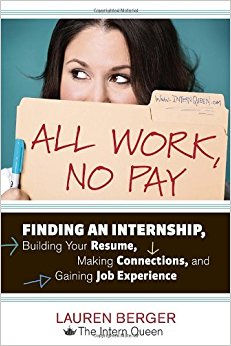
In one of my fashion classes we were assigned to read: All Work, No Pay: Finding an Internship, Building Your Resume, Making Connections, and Gaining Job Experience by Lauren Berger. Even though I hate required reading for any class, I was very happy that my teacher has us read this novel. This was an extremely informative and helpful book that allowed me to open my eyes to new opportunities and gives great advice for interns and students. I know that being apart of this industry can be very hectic. It is hard to sit down and read a book. This is why for this article I am writing a brief summary of each chapter to display the significant parts. I am still encouraging my reads to buy this book because the author gives a lot more advice throughout the novel! Even though this article is much more "text heavy" then any of my other articles, I still wanted to share with my readers a great book that is very helpful for your careers! Enjoy!
In chapter one, The Truth About Internships, the author discusses how important hands- on education is. It gives the intern great experience, allows them to make mistakes, networking, and what to do and how to get prepared for a job in your career. When starting an internship, it ultimately allows for students to build their references and resume. References are able to see what you are actually capable of which can later lead to them being able to speak about your skills and create amazing letters of recommendation. One of the best things about interning is that it gives students the chance to see what they like and don’t like. Students have one semester to decide if it is the “right fit”, gain knowledge of the industry, and learn something new.
In chapter two, Find and Land Your Dream Job, it’s all about making resources for yourself. Any easy way to do this is by making a “Dream Queen List”: What you want, Don’t let your major restrain your options, experience level, research companies, know your resources (Indeed.com), and go for what you want. Students need to go on the company that they want to work for website and prepare (Google news, know company information, etc.). When applying for an internship, the author wants students to make sure they are handing in all of the required materials: Resume, Letters of Recommendations, Transcripts, Writing Samples, Cover Letter, etc. Students need to be aware of their internship deadlines and when they finally do apply, make sure they are sending a follow up email at least two weeks later.
In chapter three, Make Over Your Tools, internships and resume do’s and don’ts. When signing up for an internship a great resource to utilize is Career Service (mock interviews, resume reviewing, interview practice questions, etc.). Look for a internship that interests you and will set you up for the future. She implies that students should provide a resume, cover letter, and a thank you email or letter for the opportunity. When creating a cover letter, students need to “tie everything together” and personalize it. For example, always discuss who you are, the position you want, your availability, personality traits, and your professional experience. She even states that when deciding on an internship focus on the 5W’s: Who, What, Where, When, and Why?
In chapter four, Monitor Your Social Media, the author discusses how to control what you post on social media to give yourself a professional appearance. The three social media networks that she recommends is Facebook, Twitter, and Linked In. Students need to sift through their profiles and make sure that they are appropriate for potential employers to look at. Employers will look to see if there are any inappropriate pictures or posts on your profile, such as topics on drugs, alcohol, scandalous clothing, etc. After students have “cleaned” their profiles, they should start to follow companies that they wish to work for (even try commenting or sharing their posts so that they can start to recognize your name). LinkedIn is the perfect website to show a professional image of yourself before even meeting an employer.
In chapter five, Rock the Interview, Berger gives advice on what type of interviews students could potentially encounter and what to do to prepare for them. There are four types of interviews that potential employees can encounter: Phone interviews, In-person interviews, Skype interviews, and Starbucks Interviews. During all of these interviews, interviewees should always be aware of their surroundings and respond to their interview requests within 24 hours. By responding to their requests quickly, students are able to show their excitement, professionalism, and even suggest other times if they are unable to make it. By researching, you are able to learn about the company, create a list of learning objectives, practice interview questions, and decide what they are going to wear to the interview. When deciding on what to wear the interviewee should prepare the night before, look professional and presentable, and women should definitely get their nails manicured. The author even provides quick interview tips: arrive 15 minutes early, watch your eating and drinking, speak confidently, watch your posture, and “look alive”.
In chapter six, Let’s Get Legal, Lauren Berger explains what interns and employers rights are in the workplace. When it comes to sexual harassment, it is broken down into two categories: Hostile and Qui Pro Quo. A great resource that employees should look into when in a situation like this is websites, such as: www.eeoc.com. When dealing with a hostile work environment, employees and interns need to make it clear to their employer that they are not interested, speak to someone about it, and document every “action”. However, when dealing with Quid Pro Quo, you should still document situations but also file a complaint with the EEOC. Obviously being an employee or an intern, students have specific rights in the workplace. Their rights are the right to learn, the right to ask questions, the right to report uncomfortable situations, and the right to fix problems.
In chapter seven, Internship Prep Zone, when it comes to preparing for your internships, students need to “know their stuff”. Interns should always ask their coordinators or other people that work in the company basic information: easy routes to get to work, where to park, what to bring on the first day, etc. Berger then goes on to explain that knowing your out-of–state resources is always important. If students are interning out-of-state or abroad, there are multiple options for housing: college dorms, educational housing, GoAbroad, etc. Also students need to be aware that they need to figure out their transportation. For example, if they are interning in New York, they can use a map and walk to work, the subway, an Uber, etc. As a result, preparing for an internship ahead of time is a great way to stay on track.
In chapter eight, On the Internship Advice, was an extremely helpful chapter. The author explains how creating a deeper relationship with your co-workers is very important during an internship. Students should always introduce themselves to everyone with a firm handshake, look them in the eye, and their first and last name (they should try and remember their co-workers names). Interns should create a strong network and make people feel comfortable to speak to you. A great tip is to organize your contacts in an excel spreadsheet and to make the most of you internship (be alert, show trust, keep track, be attentive, always volunteer, avoid gossip, etc.). This chapter discusses that when on an internship, interns are making a name for themselves and should leave the best impression of themselves (it also gives great advice for starting an internship).
In chapter nine, After the Internship, the author gave some helpful tips on how to professionally end an internship. She basically focuses on three different sections in this chapter: “Before it Ends”, “Stay in Touch”, and “Work”. Before it ends is all about when students should do before ending the internship: ask for letters of recommendations two weeks before leaving, update resume, and discover who you are writing thank you notes to. This is great for intern because this allows them to leave a mark on the company. Staying in touch is very important when it comes to continuing to network. Interns need to email their superiors at least three times a year (friendly reminders) to enhance their references. Lastly, she explains a few things about work: live where you want to work, get back in touch with professional contacts, and create a daily job search plan.
I am hoping that this blog post was very helpful to my readers! This is a great novel and should definitely be read before doing an internship! I highly recommend it! Let me know if you guys have read this book or are looking forward to reading this book! Let me know what your thoughts are. Until next time!
Sincerely Yours,
Ciel.
Comments